
The best discounts this week
Power-Hub Price Drops You’ll Love
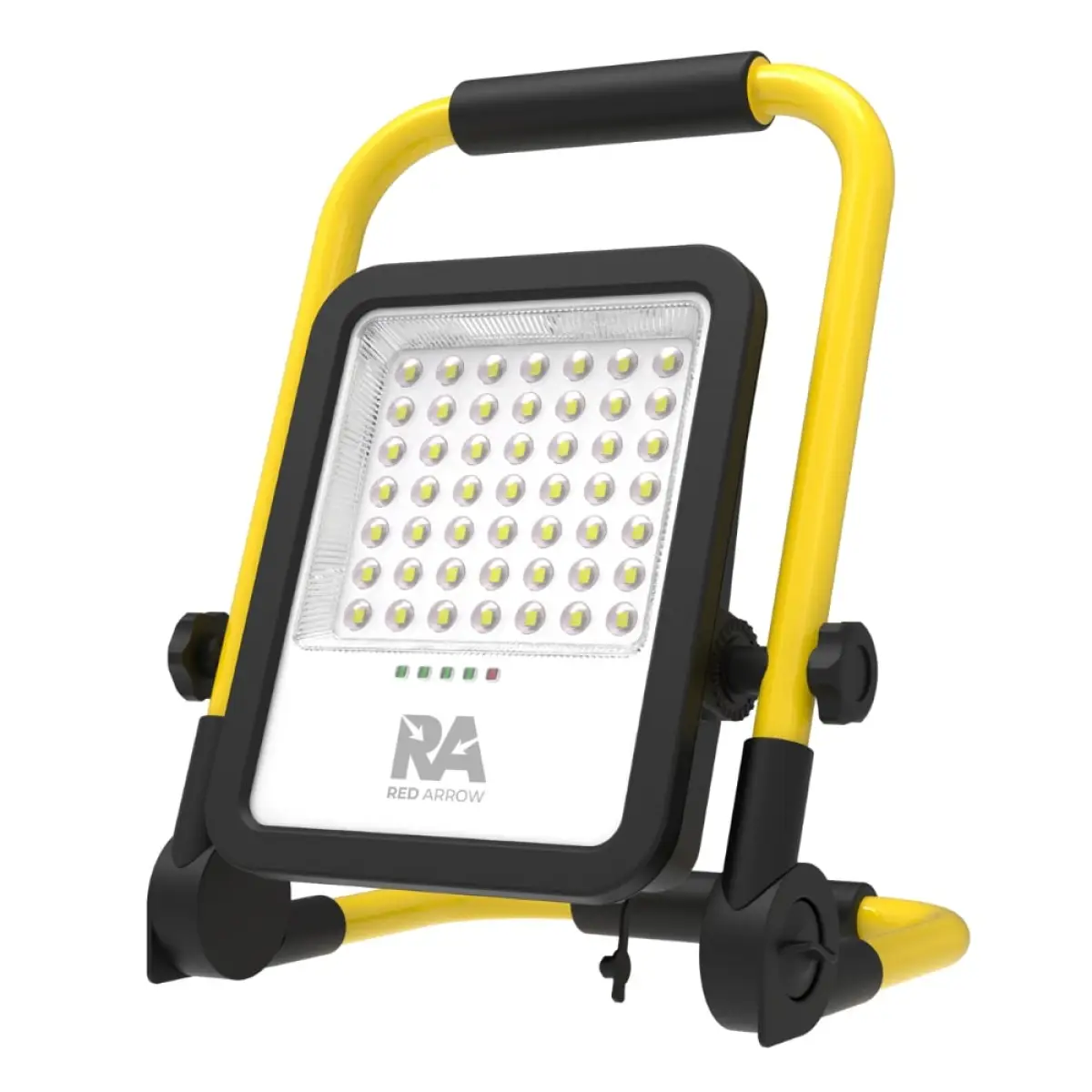
Krypton Pro Rechargeable Floodlight 500lm
Choosing a Jigsaw for DIY Curves, Cut-Outs and Small Projects
A straight cut is only part of many DIY projects. A shelf may need a shaped end, a panel may need a cut-out, or a decorative piece may call for a curve that a conventional straight-cutting saw cannot follow easily.
A jigsaw is worth considering when those shapes are central to the job. The BLACK+DECKER BES602 is described by Power Hub as a tool for light-duty applications, making it a useful starting point for discussing what to look for in a DIY jigsaw.
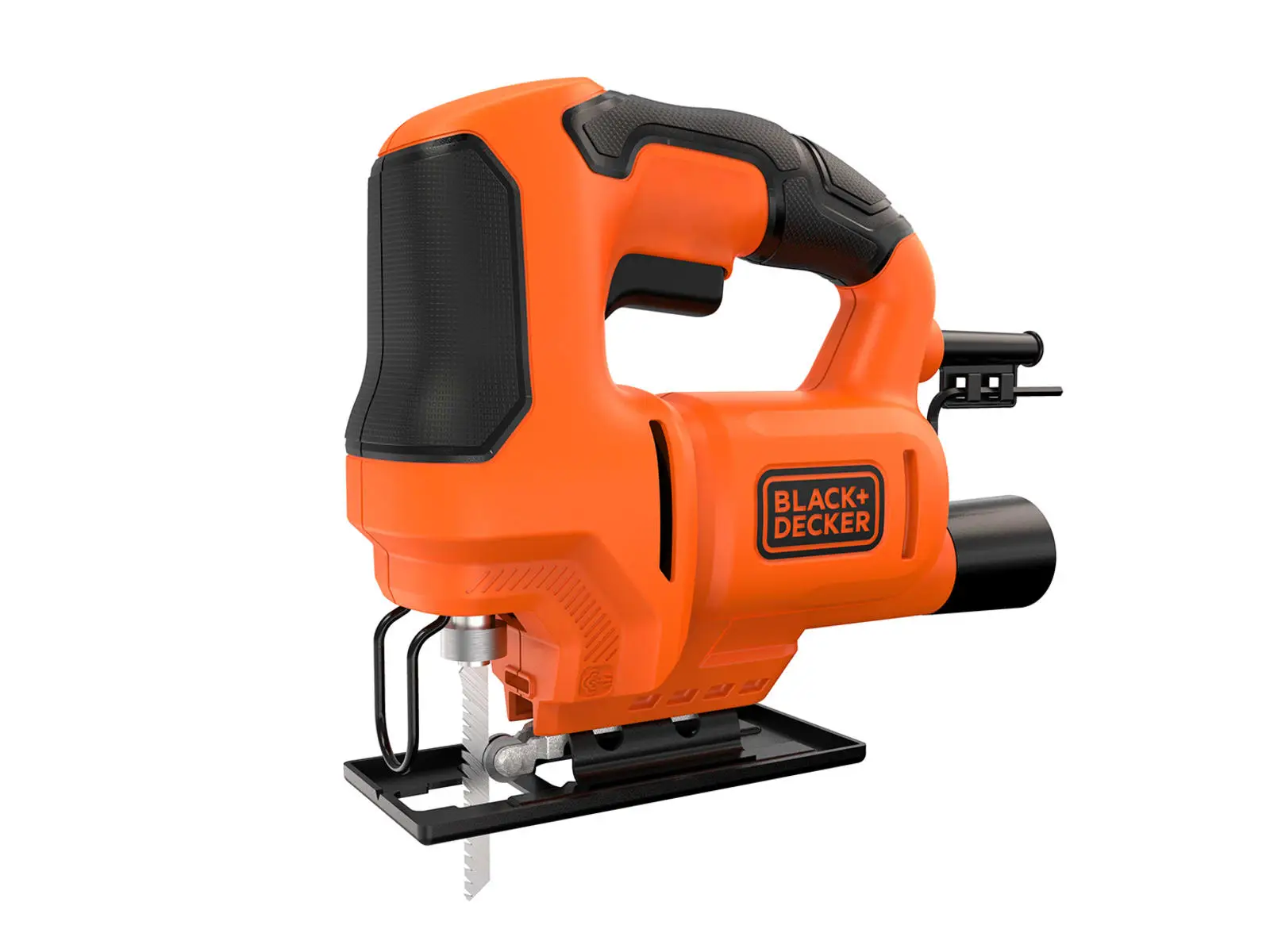
Product specifications at a glance
| Model / Power Hub SKU | BES602 / B/DBES602 |
|---|---|
| Input power and supply | 400W, 240V |
| No-load stroke rate | 3,000 per minute |
| Stroke length | 19mm |
| Bevel capacity | 45° |
| Listed cutting capacities | Wood: 65mm; metal: 6mm |
| Included | One U-shank wood-cutting blade and carry case |
| Features | Tool-free blade clamp and dust-blow function |
Source: Power Hub product listing.
Start with material, thickness and shape
Write down what you want to cut before choosing the tool. Material and thickness determine whether the saw and blade are suitable, while the shape affects which blade will follow the line comfortably.
The BES602 listing gives capacities of 65mm in wood and 6mm in metal. These figures are limits to check against the intended application, not a promise that every cut near the limit will be equally easy or clean. Blade selection and material characteristics still matter.
For a long, highly accurate straight edge, consider whether a guided circular saw or another cutting method better matches the project. A jigsaw is especially useful when the shape requires manoeuvrability.
The supplied blade is a starting point
Power Hub lists one U-shank wood-cutting blade in the kit. Do not assume it is the right blade for metal, plastic or a finish-sensitive laminated surface.
Choose a compatible blade intended for the material and desired finish. A narrower blade may suit tighter curves, but always stay within the saw and blade manufacturer’s guidance. Testing on an offcut can help you judge the cut before working on the finished piece.
The tool-free blade clamp is convenient when changing between suitable blades. Disconnect the tool from the supply before blade changes or adjustments, and follow the manual’s fitting procedure.
Understand the single-speed design
This is a single-speed model, listed at 3,000 strokes per minute without load. If your planned work calls for selecting different cutting speeds across several materials, compare that requirement with a variable-speed alternative before buying.
The base tilts for bevel cuts up to 45°. An angled base adds flexibility, but an angle setting alone does not guarantee a finished joint will fit. Mark carefully, support the workpiece and verify the result on a test piece where practical.
Plan the workspace as well as the purchase
Allow clearance beneath the cut so the moving blade cannot strike the bench or another object. Secure the workpiece and keep the cable out of the cutting route. The dust-blow feature helps keep the line visible; it is not the same as collecting dust at source.
Questions before you buy
Does the kit include a case?
Yes. Power Hub lists a carry case and one U-shank wood-cutting blade.
Can it cut metal?
The listing gives a 6mm metal capacity. Check the specific material, compatible blade and operating guidance before use.
Is it suitable for every DIY cutting task?
No. Its light-duty positioning and single-speed design should be weighed against the material, frequency of use and accuracy you need.
View BLACK+DECKER BES602 Single Speed Jigsaw 400W 240V and buy at Power Hub
Check the product page for current price, availability and supplied contents. For compatibility help, contact Power Hub.